How Mental Health is Impacted by Extreme Climate Events
Psychological consequences of heat waves, floods, tornadoes, wildfires, and droughts
While climate change is progressing and our planet is warming up, extreme weather is becoming more common. Extreme means that it is rare or outside the normal range, for example excessive heat, too much rain, too little rain, or very strong winds. Extreme weather can cause extreme climate events such as heat waves, floods, tornadoes, wildfires, and droughts.
Extreme events not only affect the environment, also people in the affected area experience the consequences. These consequences are on a physical level, for example directly through the loss of lives or indirectly through water scarcity, but also on a mental level. They can for example cause mental or psychosomatic disorders, including anxiety, depression, and post-traumatic stress disorder (PTSD). These issues can persist for several years after the disaster. This is how extreme climate events impact our mental health:
Heat waves
The first extreme climate event that impacts our mental health is heat waves. Heat weaves are spikes of unusually high temperatures during a few days. The stress caused by these hot periods not only affects the body, but also cause for example mood disorders and anxiety. How much people are affected varies between gender, age and socio-economic status.
Also, hot temperatures make people feel less comfortable. This reduced comfort makes them feel more hostile, have more aggressive thoughts, and sometimes also behave violently. This increases the number of crimes and suicides.
Floods
The second extreme climate event that impacts our mental health is floods. Apart from causing physical death, floods have a large impact on mental health, especially leading to PTSD after the event. This is because people mourn about the loss of lives and property, feel stressed, and become a refugee in their own country. Other common consequences are anxiety and depression. And even those who haven’t experienced the flood directly but live in a nearby area can be affected by post-traumatic stress because community cohesion changes dramatically.
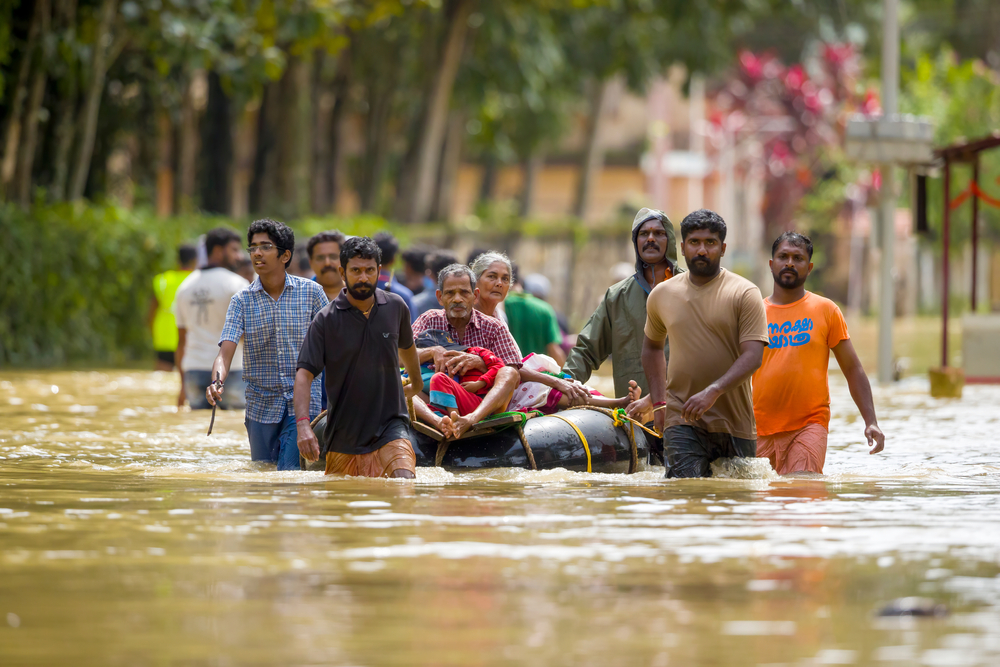
Floods can cause people to become a refugee in their own country (credit: Dreame Walker on Shutterstock)
Tornadoes, hurricanes, and storms
The third extreme climate events that impacts our mental health are tornadoes, hurricanes, and storms. After such events, many people experience stress, depression, and anxiety, and develop PTSD. How severe the symptoms are, depends on the severity of the event, but also on other factors such as age, gender, education level, socioeconomic status, employment status, and relationship status.
Wildfires and bush-fires
The fourth extreme climate event that impacts our mental health is wildfires and bush-fires. A wildfire is a large-scale fire usually in forests and jungles; a bush-fire is a wildfire of bush-land or forests close to an urban area.
As wildfires usually occur in areas with few inhabitants, the damage is especially environmental. But environmental issues can cause further problems, such as more extreme events, which can then again cause mental issues.
As bush-fires happen close to urban areas, they have a larger impact. They can lead to various psychological disorders, depression, PTSD, psychosomatic sickness, and paranoia. Children suffer for example from anxiety, panic attacks, sleep disorders, compulsive repetitive play, and flashbacks. These symptoms can occur later and can persist over at least several years.
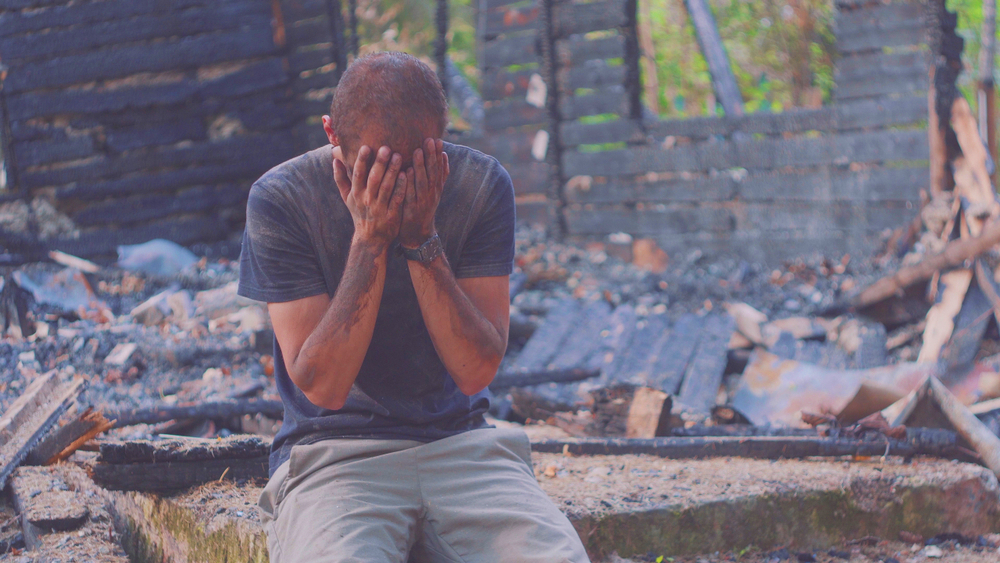
Bush-fires do not only cause property damage or physical injuries, they also cause mental health problems (credit: Ivankurakevich on Shutterstock)
Droughts
The fifth extreme climate event that impacts our mental health is drought. A drought is different from the previous extreme events as this event lasts a lot longer, often about a decade and sometimes even longer. Especially farmers are at risk, because droughts affect crop productivity, agriculture yields, and economic problems. They are more likely to get depressed, feel demoralized, feel that all events are predetermined and inevitable, and accept their fate. But also others, especially women, adolescents, and people with lower socio-economic status feel distressed and helpless.
Also, droughts can cause mental issues indirectly, when the number of suicides increases, in job security decreases, people need to migrate, or conflicts over natural resources occur.
Conclusion
So, extreme climate events impact mental health by causing a range of problems, such as PTSD, anxiety, and depression. These effects may last for several years after the event. Also, not only people in the affected area experience mental consequences, also people living in areas close by, because community cohesion changes dramatically.
Credit
This article is based on: